Sculpture
Patrick Bringley on Loretta Pettway Quilt - "Lazy Gal Bars" (1965)
Loretta Pettway - Lazy Gal Bars
“…I am moved by the quilt’s geometry and also by its imperfections: the slightly wandering lines; the swift, unfussy stitching; the improvised materials. It has an abundance of art’s most heartening qualities, including diligence and inspiration.”
- Patrick Bringley, from “All The Beauty In the World”
Mardonio Margana - Mother with a Child on Her Back (1933)
Maurice Marinot - "The Great Tulips" Vase (1923)
Rodin - "The Eternal Idol"
“…we feel how much there is of the bending flower in the bending figure…”
- Rilke, on Rodin
Roman Ring Showing Venus, Found in Brittany
Rilke, from "Auguste Rodin"
“Things were made very early, with difficulty, after the pattern of natural things already existing; utensils and vessels were made, and it must have been a strange experience to see the made object as a recognized existence, with the same rights and the same reality as the thing already there. Something came into existence blindly, through the fierce throes of work, bearing upon it the marks of exposed and threatened life, still warm with it—but no sooner was it finished and put aside than it took its place amongst the other things, assumed their indifference, their quiet dignity, and looked on, as it were, from a distance and from out its own permanence with melancholy consent.
This experience was so remarkable and so great that we can understand how things soon came to be made solely for its sake. For the earliest images were possibly nothing but practical applications of this experience, attempts to form out of the visible human and animal world something immortal and permanent, belonging to an order immediately above that world: a thing.”
Enzo Camacho & Ami Lien - "Social Volcano, Heavy Clouds"
Three from the Philadelphia Museum of Art
Virgin and Child - from the workshop of Della-Robbia
Jon Brooks - Pair of “styx” ladder-back chairs
Virgin and Child Before a Rose Hedge - Pseudo-Pier Francesco Fiorentino
Sculpture of Jennie Walters - William Henry Rinehart (1874)
Agathon Léonard - The Peasant Woman (La Paysanne" - 1981 / 1900
Minerva - Joseph Nollekens - 1775
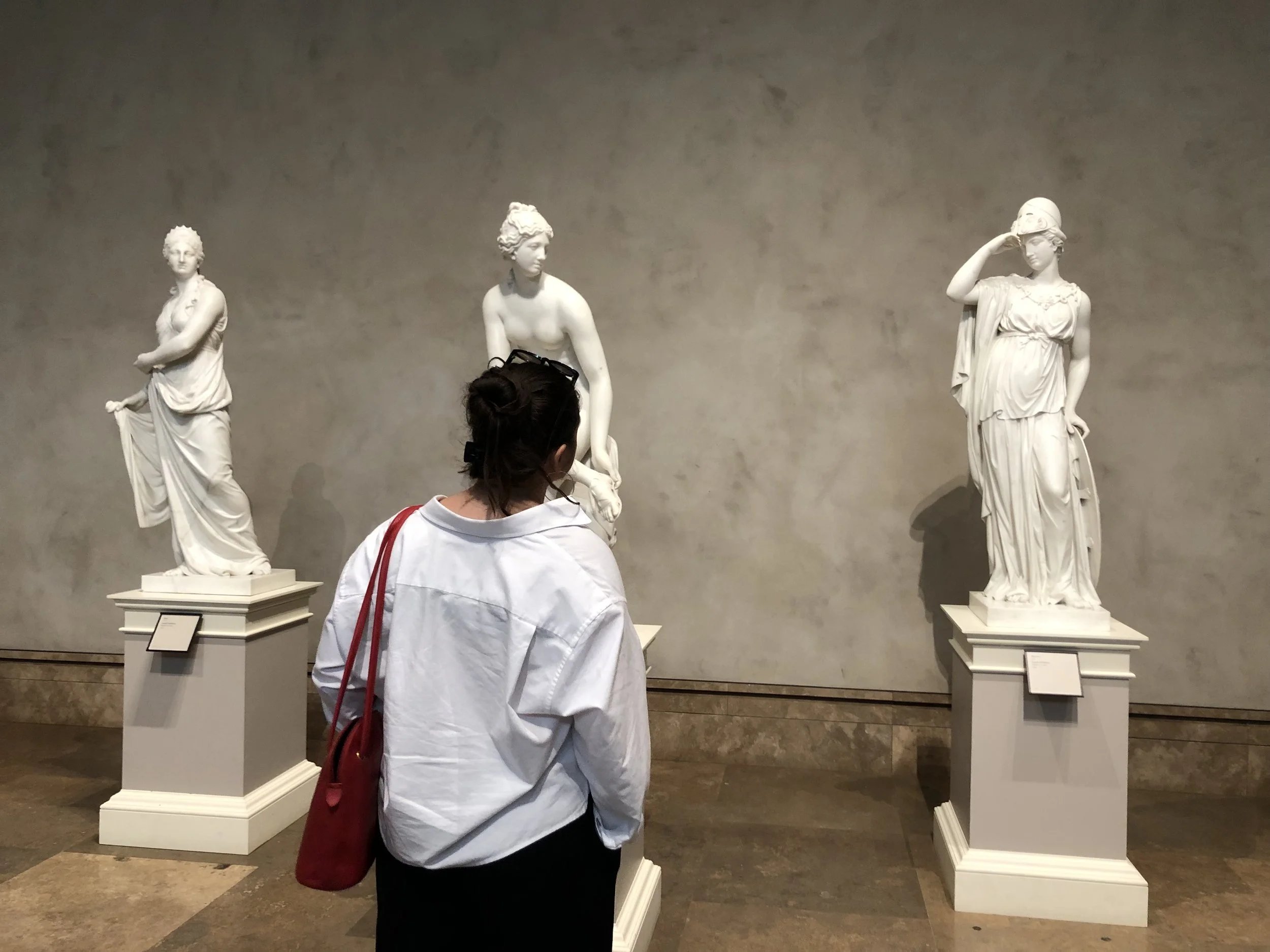
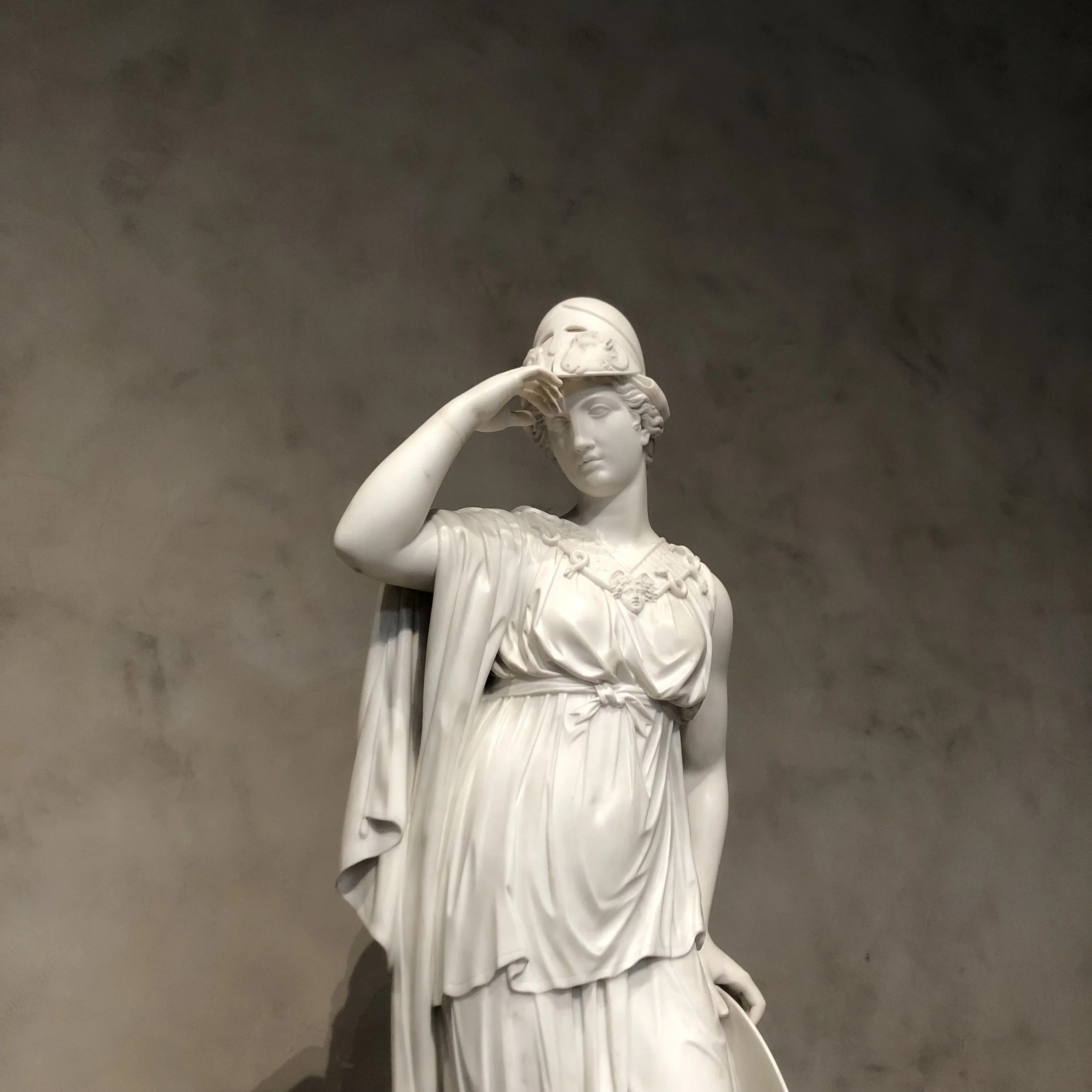
Richard Serra - Schunnemunk Fork, 1991
Agnes Denes – Wheatfield – A Confrontation, 1982
Photo by John McGrall
Marc Chagall - "Couple with Bird" - 1952
Daphnis and Chloe
by John-Pierre Cortot, at The Louvre
Francois Gerard - 1825
Carel Visser - Cube and Its Piling Up, 1967
Dan Flavin - "(quietly, to the memory of Mia Visser)", 1977
“Titles play an important part: by the mention of the name of a person to whom the work is dedicated after the neutral Untitled, that work acquires an individual note and meaning. Sometimes this is private, but it can also related to a well-known person. The title The Nominal Three (to William of Ockham) of 1963 is of particular significance. Ockham (d. 1349), an excommunicated Franciscan, made a distinction between faith and knowledge and held that reality consists only of individual things, an important idea to Flavin.”
- From the Kroller-Muller Museum Catalogue